Goodbye, Diesel! Let's Do the Math: How Soon Can Your Irrigation Costs Hit "Zero" with a Solar Water Pump?
by
Goodbye, Diesel! Let's Do the Math: How Soon Can Your Irrigation Costs Hit "Zero" with a Solar Water Pump?
Frustrated by rising diesel costs eating your farm profits? Solar pumps[^1] offer liberation from fuel bills and maintenance headaches, turning sunlight into free irrigation power.
Solar pumps can eliminate 100% of fuel costs immediately. Payback typically occurs in 2-4 years through diesel savings, after which you'll have decades of essentially free water pumping using solar energy.
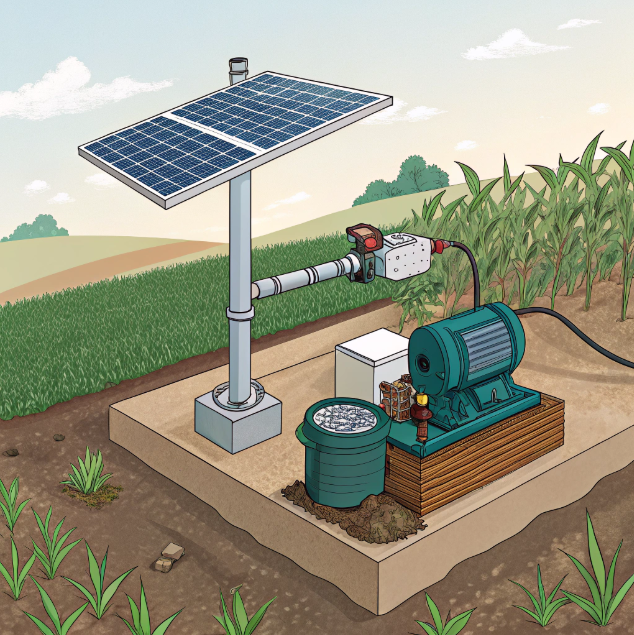
If you're tired of budgeting for unpredictable fuel prices and maintenance, discover how solar irrigation can transform your operational costs from a constant expense to a one-time investment.
DIY or Hire a Pro? A Realistic Pro-and-Con Analysis of Solar Water Pump Installation.
Wondering whether to tackle solar pump installation yourself or call in experts? Making the wrong choice could cost you time and performance.
DIY saves 30-50% upfront but risks improper sizing and voided warranties. Professional installation[^2] ensures optimal performance, warranty protection, and long-term reliability worth the initial investment.
Breaking Down the Installation Decision
The installation approach depends heavily on your technical comfort, project complexity, and risk tolerance. While DIY seems appealing for cost savings, the technical precision required for solar pumping systems often justifies professional involvement.
Technical Complexity Factors:
- System Sizing: Requires calculating daily water needs, solar insolation, and total dynamic head
- Electrical Work: DC wiring, controller setup, and potential grid-tie requirements
- Structural Engineering[^3]: Mounting stability and orientation optimization
| Cost Comparison Table: | Factor | DIY Installation | Professional Installation |
|---|---|---|---|
| Upfront Cost | $3,000-$5,000 | $4,500-$7,500 | |
| Timeline | 2-3 weekends | 1-2 days | |
| Warranty | Often voided | Fully protected | |
| Performance Risk | High if miscalculated | Optimized and guaranteed | |
| Long-term Value | Questionable | Secured |
Hidden Considerations:
Many farmers underestimate the engineering behind proper solar pump installation. The pump must match your water source depth, flow requirements, and seasonal sunlight variations. Professional installers use specialized software to model performance across different conditions, ensuring your investment delivers consistent results. Additionally, local regulations and permits often require certified electrical work, making DIY legally complicated.
Still Confused by Solar Pumps? In Just 5 Steps, We'll Teach You How to Choose the Right "Heart" for Your Land from Scratch.
Overwhelmed by technical specifications and conflicting advice? Selecting the wrong pump can mean insufficient water or wasted investment.
Follow these 5 steps: calculate daily water needs, determine total dynamic head, assess solar resource, select pump type (submersible vs surface), and verify compatibility with existing infrastructure.
Your Step-by-Step Sourcing Strategy
Choosing a solar pump isn't about finding the cheapest option—it's about matching technology to your specific agricultural requirements.
Step 1: Water Requirement Analysis[^4]
- Measure crop water needs per acre
- Account for peak summer demand
- Include livestock and household needs if applicable
Step 2: Site Assessment Fundamentals
- Water Source: Well depth, static water level, recharge rate
- Delivery System: Drip irrigation, pivot, or flood requirements
- Storage Considerations: Tanks for extended operation or cloudy days
| Pump Selection Matrix[^5]: | Water Source | Recommended Pump Type | Typical Depth |
|---|---|---|---|
| Pond/Stream | Surface Pump | 0-20 feet | |
| Shallow Well | Submersible | 20-100 feet | |
| Deep Well | Deep Well Submersible | 100-400+ feet |
Step 3-5 Implementation:
The remaining steps involve solar array sizing based on pump power requirements, controller selection for efficiency optimization, and integration planning with your existing irrigation infrastructure.
Does a Solar Pump "Go on Strike" on Cloudy or Rainy Days? Busting the 3 Biggest Myths About Solar Water Pumping.
Worried your solar pump will leave crops thirsty during bad weather? These common misconceptions prevent many farmers from embracing solar solutions.
Solar pumps operate at reduced capacity on cloudy days but don't stop completely. Proper sizing with 20-30% extra solar panels and water storage ensures continuous irrigation through typical weather variations.
Separating Solar Fact from Fiction
Myths persist because solar technology has evolved dramatically, yet outdated information continues circulating.
Myth 1: "No Sun = No Water"
Reality: Modern solar pumps with MPPT controllers can generate significant power even in overcast conditions. The key is designing your system to overproduce on sunny days to compensate for reduced output during cloudy periods.
Performance Reality Check:
- Full Sun: 100% capacity
- Light Clouds: 60-80% capacity
- Heavy Overcast: 30-50% capacity
Myth 2: "Solar Can't Handle My Water Needs"
Advanced solar pumps now deliver flow rates and pressures comparable to conventional systems. The limitation isn't technology but proper system design and sizing.
Myth 3: "Maintenance is Complicated"
Solar pumps actually require less maintenance than diesel alternatives—no fuel filters, oil changes, or engine overhauls.
System Resilience Strategies:
- Oversizing: Install extra solar panels for low-light performance
- Storage Solutions: Incorporate water tanks for 2-3 day reserves
- Hybrid Options: Grid-backup or battery systems for critical needs
Conclusion
Solar water pumps can eliminate fuel costs within years while providing decades of reliable, low-maintenance irrigation powered by sunlight.
[^1]: Explore how solar pumps can revolutionize your irrigation system and cut costs.
[^2]: Discover the advantages of hiring experts for optimal solar pump performance.
[^3]: Learn about the engineering aspects that ensure your solar pump's stability.
[^4]: Master the techniques for assessing your water needs for effective irrigation.
[^5]: Get guidance on selecting the best pump type based on your specific water source.
Popular Posts

You may also be interested in: