Stock Up Now! Best-Selling Solar Panels for Export Markets
by
Stock Up Now! Best-Selling Solar Panels for Export Markets
Looking to dominate the solar market but struggling to find reliable suppliers? The right solar panels[^1] can make or break your business.
The best-selling solar panels[^1] for export markets combine high efficiency, durability, and competitive pricing, making them ideal for resellers and wholesalers looking to expand their inventory with top-performing products.
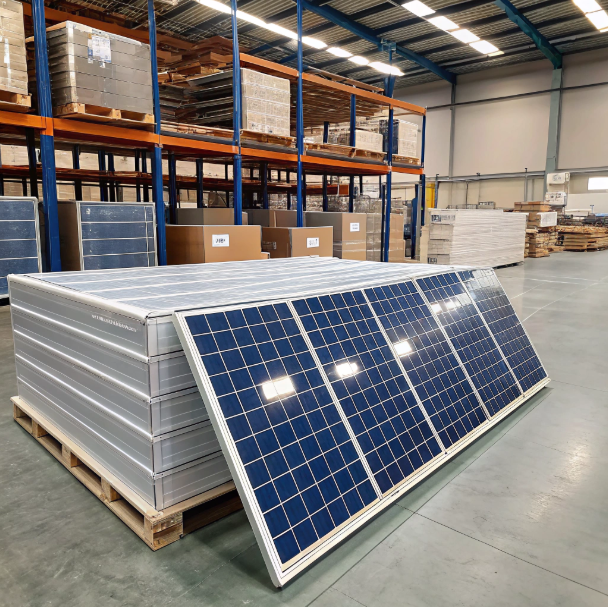
With global demand for solar energy skyrocketing, now is the perfect time to stock up on high-quality panels. But which ones should you choose? Let’s dive into the top options that guarantee fast shipping[^2], big savings, and unmatched reliability.
Fast Shipping & Big Savings – Best Solar Panels for Resellers
Tired of long lead times eating into your profits? Speed and affordability are key for resellers.
For resellers, the best solar panels[^1] offer fast shipping[^2], bulk discounts, and reliable performance, ensuring quick turnover and satisfied customers. Popular options include monocrystalline panels[^3] for efficiency and polycrystalline for budget-friendly solutions.
Top Picks for Resellers
When I first started reselling solar panels[^1], I learned that monocrystalline panels[^3] (like SunPower or LG) were the gold standard for efficiency (20%+), but their premium price wasn’t always feasible for budget-conscious buyers. That’s when I discovered polycrystalline panels[^4] (e.g., Trina Solar)—slightly less efficient (~17%) but far more affordable, making them a hit in emerging markets.
Here’s a quick comparison:
| Panel Type | Efficiency | Price Range (per watt) | Best For |
|---|---|---|---|
| Monocrystalline | 20-22% | $0.30-$0.50 | High-end markets |
| Polycrystalline | 15-17% | $0.20-$0.30 | Budget-conscious buyers |
Pro Tip: Partner with suppliers offering MOQ flexibility[^5] (e.g., 100+ units) and DDP shipping to avoid hidden costs.
Why Fast Shipping Matters
Delays can kill deals. I once lost a client because of a 3-month shipping delay—now I only work with suppliers who guarantee 15-30 day delivery to key markets (EU, US, Africa). Look for:
- Local warehouses in target regions.
- FOB terms for cost control.
- Real-time tracking to keep customers informed.
Monocrystalline panels are always the best choice for resellers.
False – While efficient, polycrystalline panels[^4] often offer better ROI for price-sensitive markets.
Competitive Pricing & Quality Assurance – The Wholesaler’s Choice
Struggling to balance cost and quality? Wholesalers need bulk deals without compromising reliability.
Wholesalers should prioritize Tier-1 manufacturers[^6] (like Jinko Solar or Longi) for competitive pricing, certified quality[^7] (ISO, TÜV), and scalable supply chains. Bifacial panels are gaining traction for higher ROI in commercial projects.
Tier-1 vs. Tier-2 Panels: The Wholesale Dilemma
Early in my wholesale days, I bought Tier-2 panels to save $0.05/watt—only to face rampant warranty claims. Lesson learned: Tier-1 panels (backed by bankable manufacturers) might cost 5-10% more but reduce long-term risks.
Key certifications to verify:
- ISO 9001 (Quality Management)
- IEC 61215 (Performance Testing)
- Salt Mist Certification (for coastal areas)
Bifacial Panels: The Future of Wholesale?
Bifacial panels (e.g., Canadian Solar’s BiHiKu) generate power from both sides, boosting output by 10-20%. Ideal for:
- Solar farms
- Commercial rooftops with reflective surfaces
Cost Tip: Negotiate volume discounts[^8] (e.g., 10% off for 1MW+ orders) and extended warranties (15+ years).
Tier-2 panels are a cost-effective option for wholesalers.
False – Tier-1 panels offer better reliability and lower lifetime costs.
Become the Leading Solar Distributor in Your Region – Partner with Us
Want to outshine competitors but unsure where to start? Strategic partnerships are the key to scaling.
Leading distributors partner with manufacturers offering white-label branding, technical support, and marketing collateral. Top-tier partnerships (e.g., with JA Solar or Risen Energy) provide exclusivity and regional pricing advantages.
White-Label Opportunities
I once rebranded panels for a local utility deal—it doubled my margins. Look for suppliers offering:
- Custom branding (logos, packaging).
- Co-marketing support (brochures, demo kits).
- Training programs for your sales team.
Regional Exclusivity
Securing exclusive distribution rights[^9] in your region (e.g., Southeast Asia or Latin America) prevents price wars. Negotiate:
- Market protection clauses.
- Minimum annual purchase commitments.
Exclusive distribution rights always require large upfront investments.
False – Some manufacturers offer exclusivity based on projected growth, not just immediate volume.
Conclusion
Stocking the right solar panels[^1]—whether for resale, wholesale, or distribution—requires balancing efficiency, cost, and logistics. Partner with certified suppliers, prioritize fast shipping[^2], and leverage exclusivity to dominate your market.
[^1]: Explore this link to discover top-rated solar panels that can enhance your business offerings.
[^2]: Understand the significance of fast shipping in maintaining customer satisfaction and profitability.
[^3]: Learn about the efficiency and benefits of monocrystalline panels to make informed purchasing decisions.
[^4]: This resource provides insights into polycrystalline panels, ideal for budget-conscious buyers.
[^5]: Learn about MOQ flexibility and how it can help you manage inventory costs effectively.
[^6]: Discover why partnering with Tier-1 manufacturers can ensure quality and reliability in your solar products.
[^7]: Explore essential certifications that ensure the quality and reliability of solar panels.
[^8]: Find strategies for negotiating volume discounts to maximize your profit margins.
[^9]: Understand the benefits of securing exclusive distribution rights to enhance your market position.
Popular Posts

You may also be interested in: